What is AI Product Photography?
AI product photography is rapidly transforming how brands approach visual production. Rather than renting studios, hiring specialized crews, and physically building sets for every product launch, brands are adopting AI-assisted workflows to generate contextual environments and product-on-model imagery digitally.
However, AI product photography does not mean clicking a button and letting an algorithm invent your product. For modern brands, it means combining traditional foundational photography—capturing the exact shape, material, and color of an item—with AI tools that composite that item into endless creative variations.
Traditional Photography vs. AI-Assisted Production
Traditional photoshoots offer complete physical control but are inherently unscalable. If you need to show a new handbag in Paris, New York, and Tokyo, a traditional shoot requires significant logistical overhead. AI-assisted production, by contrast, relies on a single high-quality studio shot (or 3D render) of the handbag.
Once the foundational asset is captured, AI tools can generate the Paris, New York, and Tokyo backgrounds, blending the lighting and shadows seamlessly. This dramatically reduces the cost per image and accelerates time-to-market for e-commerce catalogs.
When AI Works Best (And When It Doesn't)
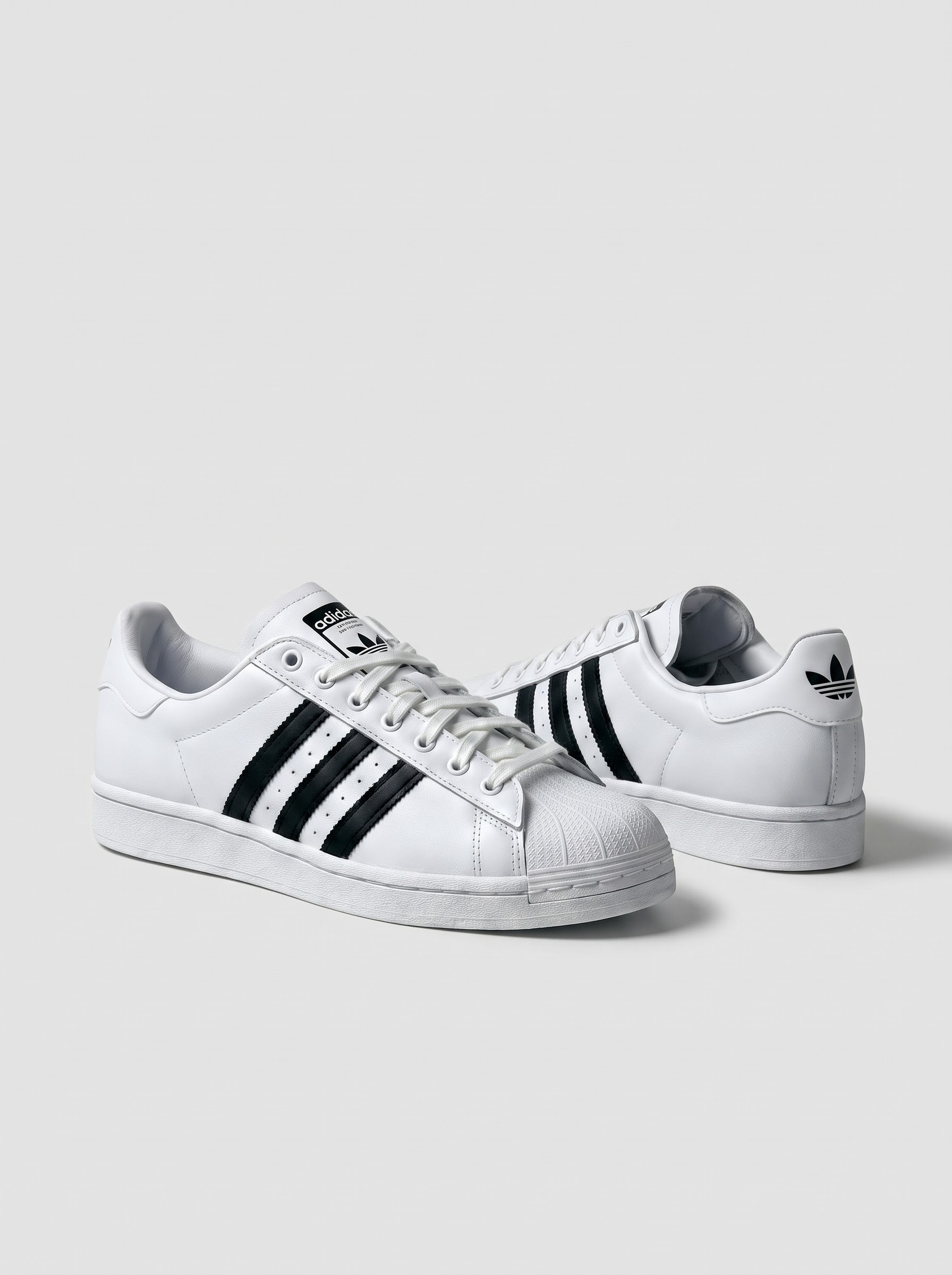
AI excels at contextualization. If you need lifestyle backgrounds, seasonal environments, or diverse model adaptations, AI is unparalleled in speed. However, AI struggles with absolute product truth. You should never rely on generative AI to draw the intricate weave of a new fabric or the precise logo placement on a sneaker.
- Use AI for: Backgrounds, environments, model body variations, and scaling seasonal campaigns.
- Use Traditional Photography for: The core product cut-out, macro texture details, and ensuring 100% color accuracy.
Maintaining Quality Control and Brand Consistency
Scaling with AI requires strict quality control. Establish a visual standard operating procedure (SOP). Ensure that every AI-generated image maintains the same focal length, lighting direction, and color grade as your primary brand guidelines. Use tools like the GROTON AI Image Quality Checker to ensure generated assets meet resolution and sharpness thresholds before they hit your storefront.
Ready to scale your visual production?
.jpeg)