The Context Imperative in Fashion
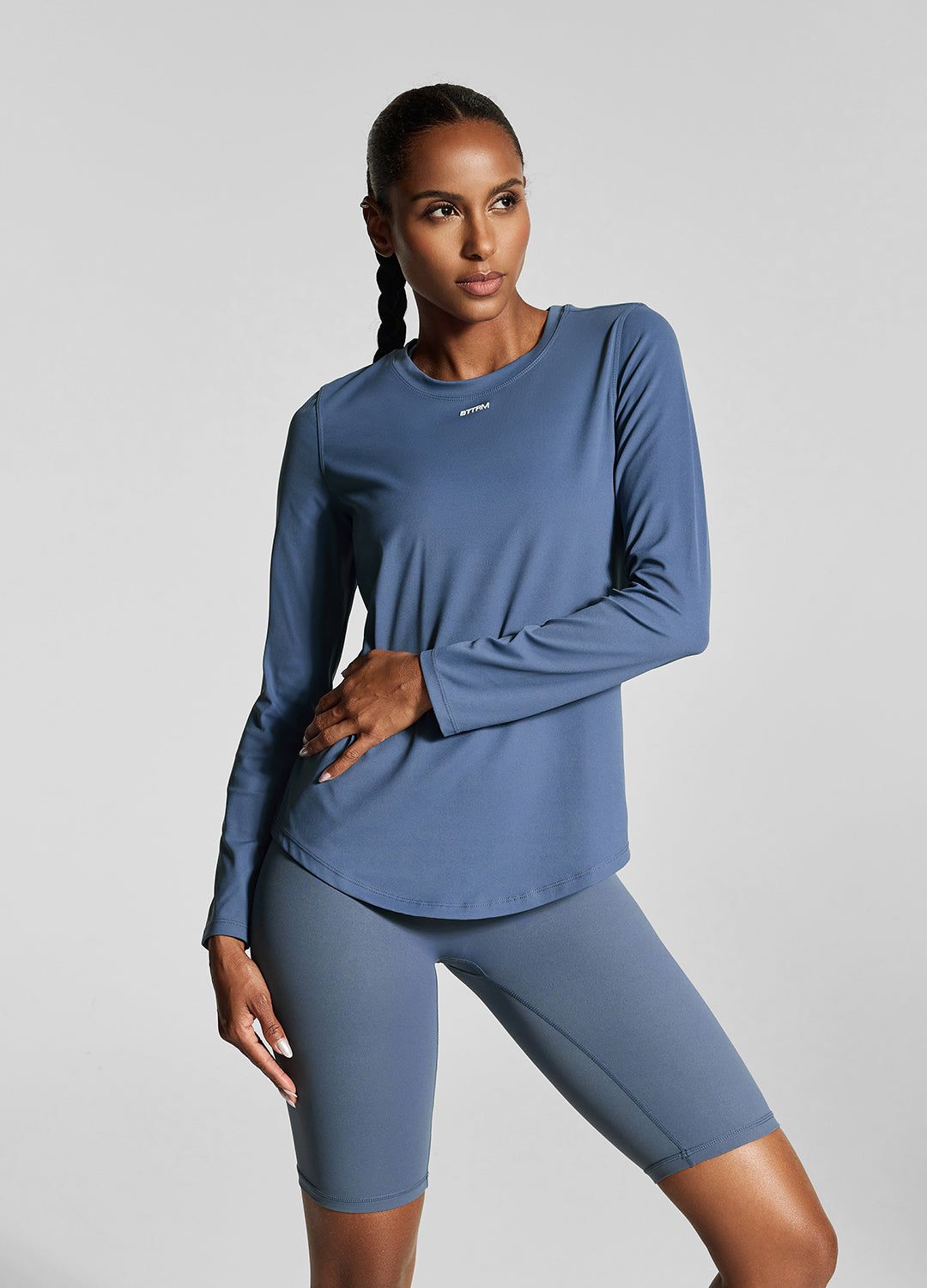
In fashion e-commerce, the product is only half the story; the other half is how it interacts with the human form. Flat lay photography—shooting a garment spread out on a table—is useful for showing technical details, but it utterly fails to communicate drape, silhouette, and fit. Customers need to see the garment on a body to imagine it on themselves.
Traditionally, solving this required exhaustive product-on-model photoshoots. Brands had to cast models matching their target demographics, hire hair and makeup teams, book studios, and shoot hundreds of SKUs in grueling multi-day sessions. The logistical overhead and cost often restricted brands from updating catalogs frequently or showing garments on diverse body types.
The AI Ghost Mannequin Evolution
The emergence of generative AI has created a powerful alternative workflow. The most successful implementation currently used by commercial studios does not involve generating the garment from scratch. Instead, it relies on a hybrid approach using traditional "ghost mannequin" photography as the foundation.
Step 1: The Base Capture. The physical garment is dressed onto a specialized, modular mannequin (a ghost mannequin). It is styled, pinned, and lit beautifully in a traditional studio. The mannequin pieces are removed in post-production, leaving a hollow, perfectly shaped 3D representation of the garment.
Step 2: AI Synthesis. Using specialized AI models (often built on architectures like Stable Diffusion with precise masking and control nets), an art director prompts the AI to generate a photorealistic human model inside the bounds of the garment. The AI synthesizes the face, hair, skin tone, hands, and legs, ensuring the lighting on the generated human matches the studio lighting baked into the garment photograph.
Preserving Garment Accuracy
The brilliance of this workflow is that the product itself—the intricate lace, the specific dye color, the exact placement of a pocket—remains an unmanipulated photograph. The AI is only generating the context around it.
This solves the primary limitation of pure generative AI: hallucination. If you ask a text-to-image AI to "generate a woman wearing a red North Face jacket," it will invent a jacket that looks somewhat like North Face, but is legally and physically inaccurate. By isolating the generation to only the human elements and preserving the photographic pixels of the garment, brands maintain the strict accuracy required for retail.
The Future of E-Commerce Visuals
As we look toward the future of digital retail, the expectations for product imagery are evolving rapidly. We are moving beyond static 2D images toward immersive, interactive visual experiences. 3D models, augmented reality (AR) try-ons, and dynamic video content are becoming standard features for top-tier brands. However, the foundational rules of visual presentation remain unchanged.
Whether a customer is viewing a flat lay JPEG or interacting with a 3D model in AR, consistency, accuracy, and performance are paramount. The tools we use to create these assets are also shifting. Generative AI is streamlining post-production, allowing studios to easily swap backgrounds, generate lifestyle contexts, and correct imperfections with unprecedented speed. Yet, the human element—the art director's eye for composition and the brand manager's dedication to consistency—remains irreplaceable.
Brands that succeed in this new era will be those that embrace advanced technologies to scale their production without sacrificing the core principles of quality and authenticity. They will use AI not to replace the creative process, but to augment it, ensuring that every visual touchpoint across every channel reinforces the brand's value proposition.
Diversity and Scale
This workflow unlocks unprecedented scale. Once a garment is shot on a mannequin, the brand can use AI to generate that exact same garment being worn by models of different ethnicities, ages, and sizes. This allows for highly personalized e-commerce experiences where a shopper can view a dress on a model that closely resembles their own body type, dramatically increasing conversion confidence and reducing return rates.
Quality Control Limitations
While powerful, this workflow requires intense human oversight. AI struggles with complex physical interactions. Generating a realistic hand resting naturally in a pocket, or ensuring that skin casts the correct subtle shadow onto a white collar, requires expert retouching.
Brands must view AI not as an automated replacement for a photoshoot, but as an advanced compositing tool wielded by skilled digital artists. When traditional photography is preferable—such as high-end editorial campaigns requiring dynamic movement and emotional human expression—the camera remains supreme.
Conclusion
Generating product-on-model imagery without a traditional photoshoot is no longer science fiction; it is a viable, cost-effective commercial reality. By anchoring the workflow in traditional ghost mannequin photography and leveraging AI solely for contextual generation, fashion brands can achieve massive scale and diversity while maintaining the strict product accuracy that retail demands.
.jpeg)