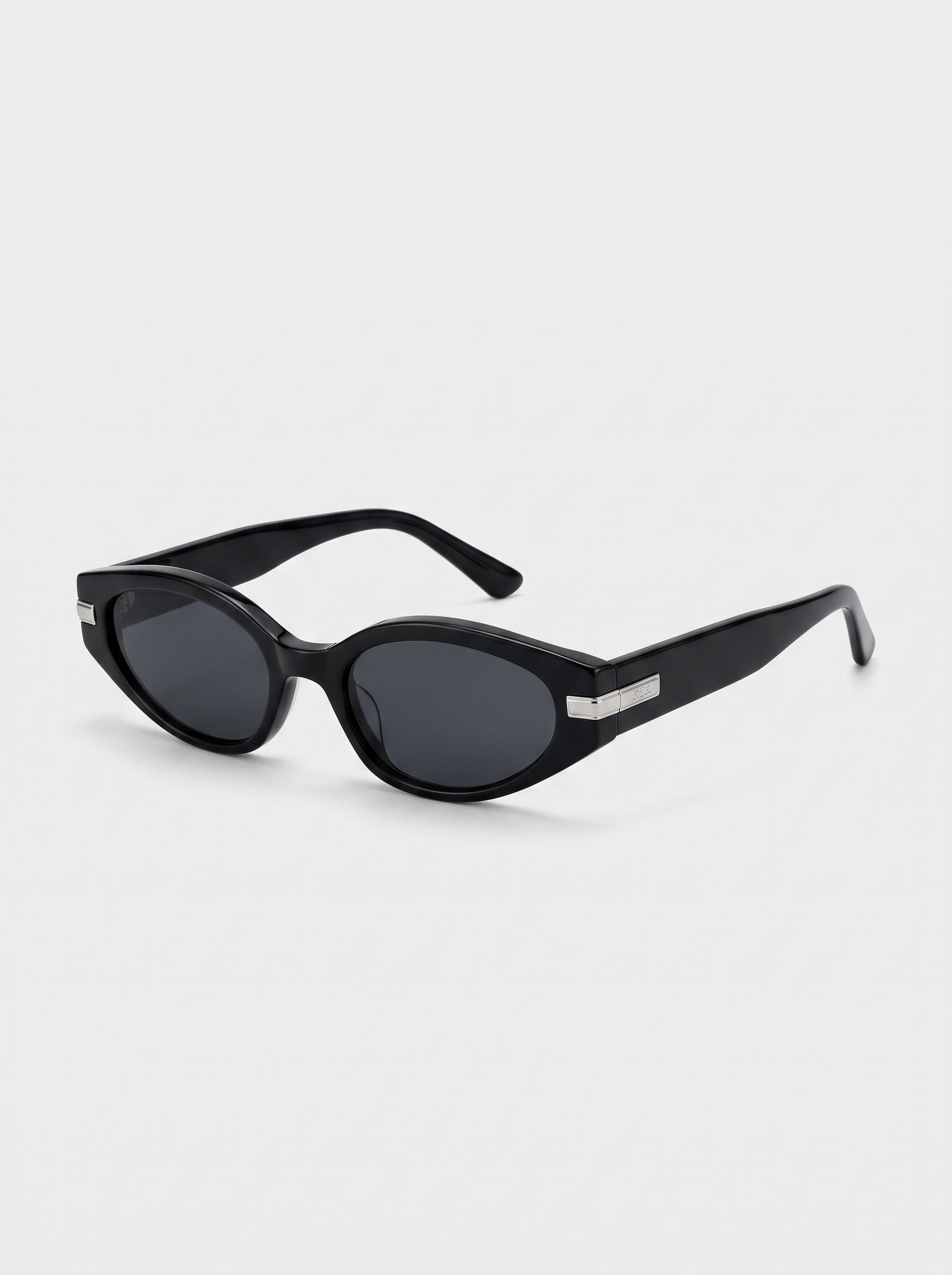
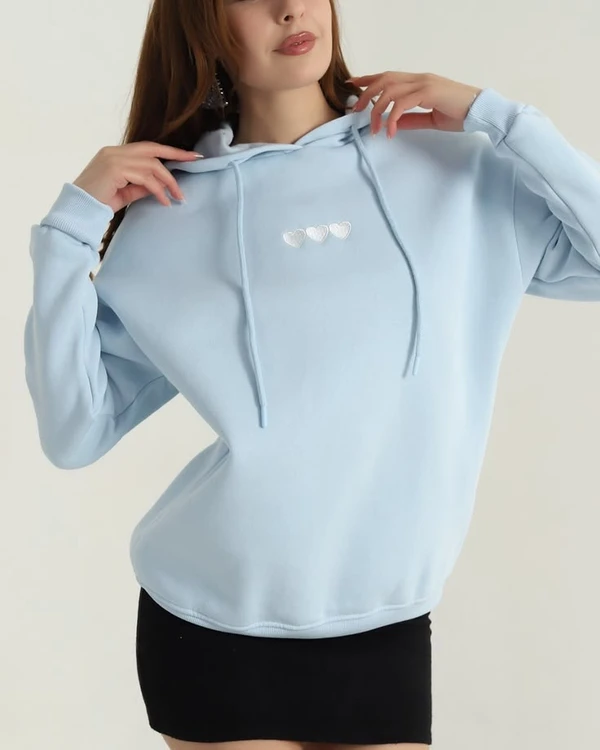
A product image tells customers what a product looks like. A product-on-model image shows them how that product can look when worn.
That difference is particularly important in fashion e-commerce. Customers want to understand fit, proportion, silhouette, styling, and overall appearance before purchasing.
Product-on-model imagery gives them that context.
Beyond the Flat Product Image
Imagine looking at a shirt on a plain background. You can understand its colour and basic shape.
Now imagine seeing the same shirt worn by a model. Suddenly, you can understand its proportions, styling, silhouette, and relationship to the human body.
The second image communicates more information.
Why Traditional Shoots Can Become Difficult to Scale
Traditional fashion photography can produce exceptional results. But every production can involve:
- Models
- Locations
- Photographers
- Styling
- Makeup
- Lighting
- Samples
- Logistics
- Production time
For a campaign, this can make sense.
For a brand constantly launching products, repeating the entire process can become expensive and slow.
AI-Powered Product-on-Model Production
AI introduces another way to approach the problem. Brands can create and explore model-based visual directions without rebuilding every physical production from scratch.
This can be useful for:
- Product pages
- Collection pages
- Social content
- Advertising
- Campaign concepts
- Catalog expansion
However, AI does not remove the need for creative direction.
The product still needs to look accurate.
The model, styling, pose, framing, and visual language need to feel intentional.
Building a Consistent Model System
For a large fashion catalog, consistency becomes important. Brands can define a visual language around:
- Model appearance
- Pose
- Framing
- Camera perspective
- Styling
- Product positioning
The result feels like one brand rather than a collection of unrelated images.
The GROTON AI Studio Approach
GROTON AI Studio treats product-on-model imagery as part of a larger visual production system.
The objective is to combine AI flexibility with creative direction and quality control.
The result should feel like premium commercial imagery — not simply an AI-generated picture.
Final Takeaway
Product-on-model imagery connects the product with the customer.
For fashion e-commerce, that connection can be one of the most valuable parts of the visual shopping experience.
.jpeg)