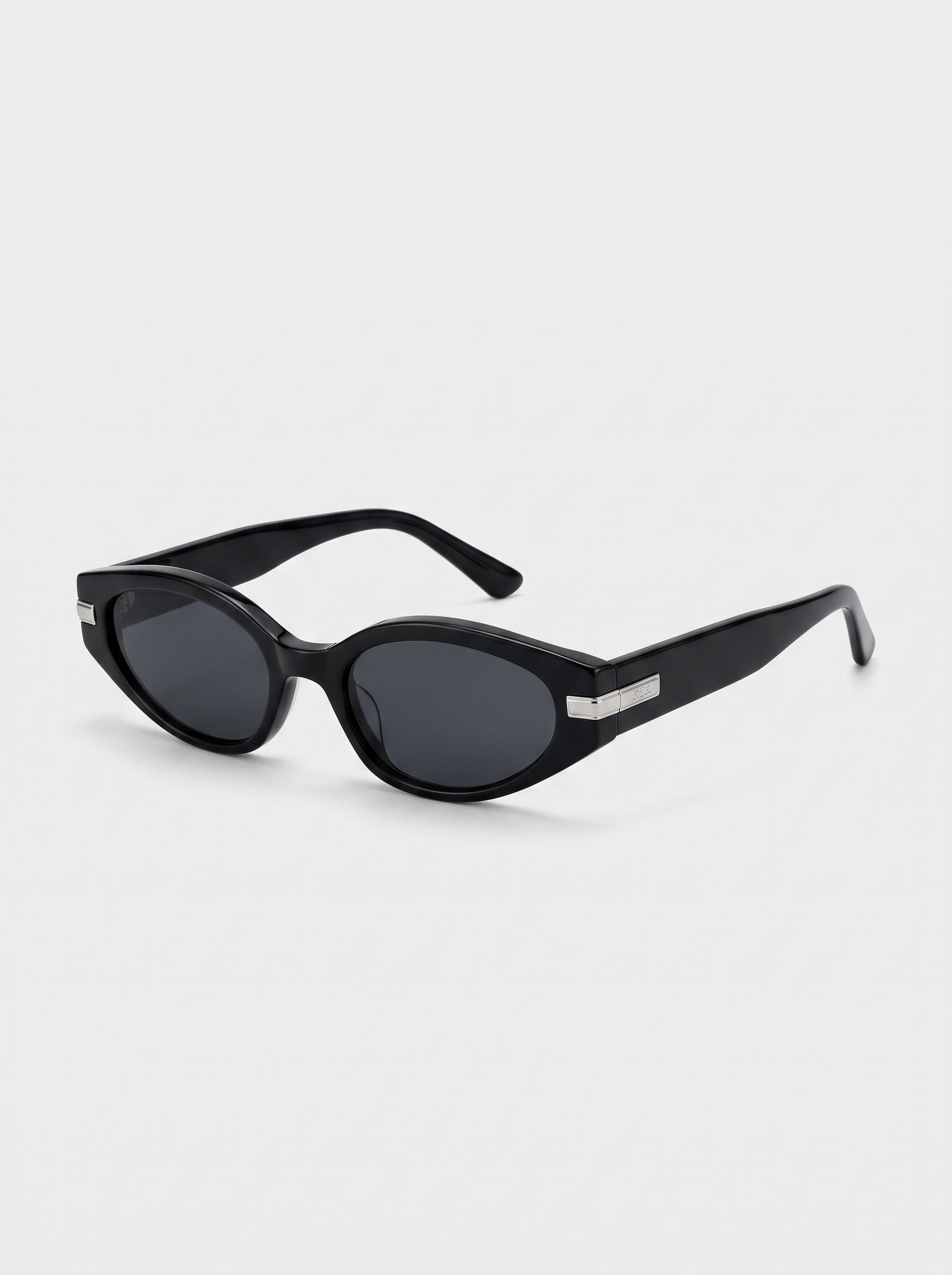
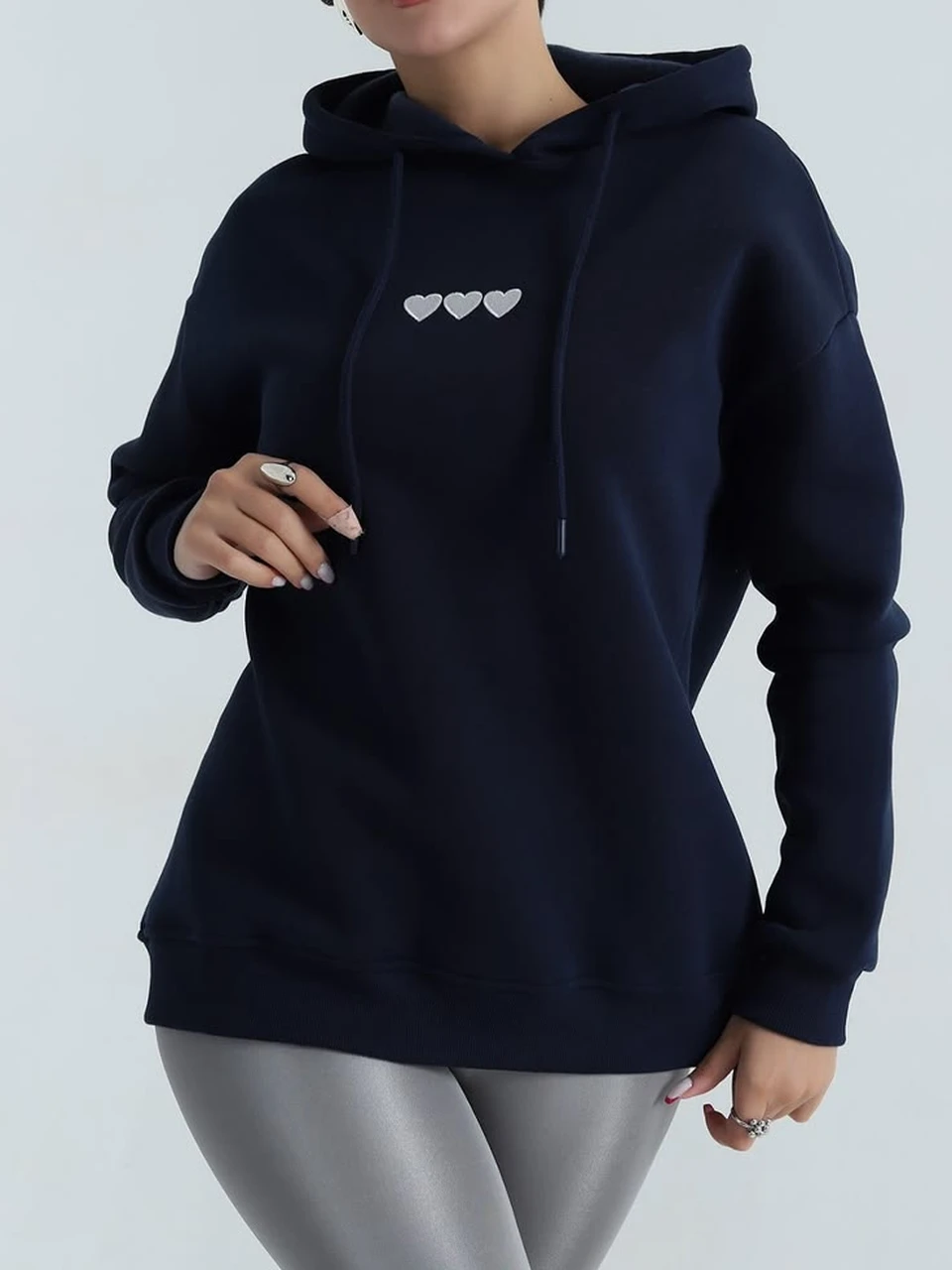
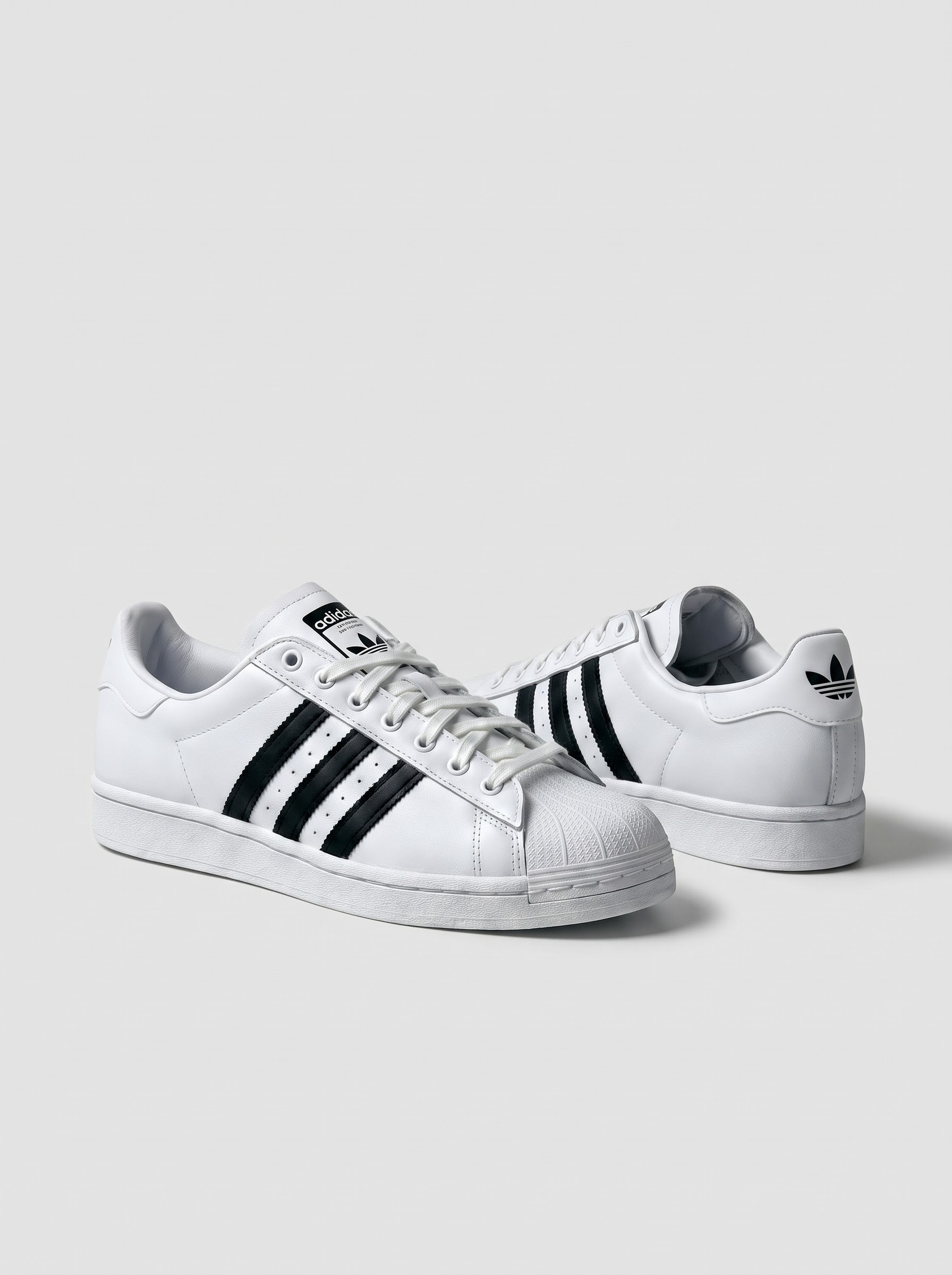
Modern brands need imagery everywhere.
The traditional photoshoot model was largely designed around individual productions.
Modern e-commerce increasingly requires continuous visual production.
What AI Actually Changes
AI does not simply make image creation faster. It changes the production model.
Depending on the requirement, brands can use AI-powered workflows to explore:
- Product-on-model imagery
- Lifestyle scenes
- Product environments
- Campaign concepts
- Creative variations
- Catalog imagery
This gives creative teams more flexibility.
Speed Is Only One Advantage
Speed gets most of the attention when people talk about AI. But flexibility may be even more valuable.
A traditional production may require days or weeks of planning before the camera is even switched on. AI-assisted workflows can allow teams to explore visual directions much earlier in the process.
That makes experimentation easier.
Product Accuracy Still Matters
A beautiful image is not automatically a good e-commerce image.
The product needs to remain accurate. Its shape, proportions, construction, colour, materials, and important details need to be represented properly.
This is why creative direction and quality control remain essential.
From Image Generation to Visual Production
At GROTON AI Studio, the distinction is important.
We do not see AI as a tool for producing random “AI art.” We see it as a production technology.
The objective is to create visuals that are:
- Commercially useful
- Brand-consistent
- Product-focused
- Premium
- Scalable
The Future of E-commerce Visual Production
As brands produce more content, the production system behind that content becomes increasingly important.
AI can remove some of the traditional production limitations. That gives creative teams more room to focus on direction, storytelling, and brand development.
Final Takeaway: AI product photography is not about creating more images for the sake of creating more images. It is about making high-quality visual production more flexible and scalable.
.jpeg)